
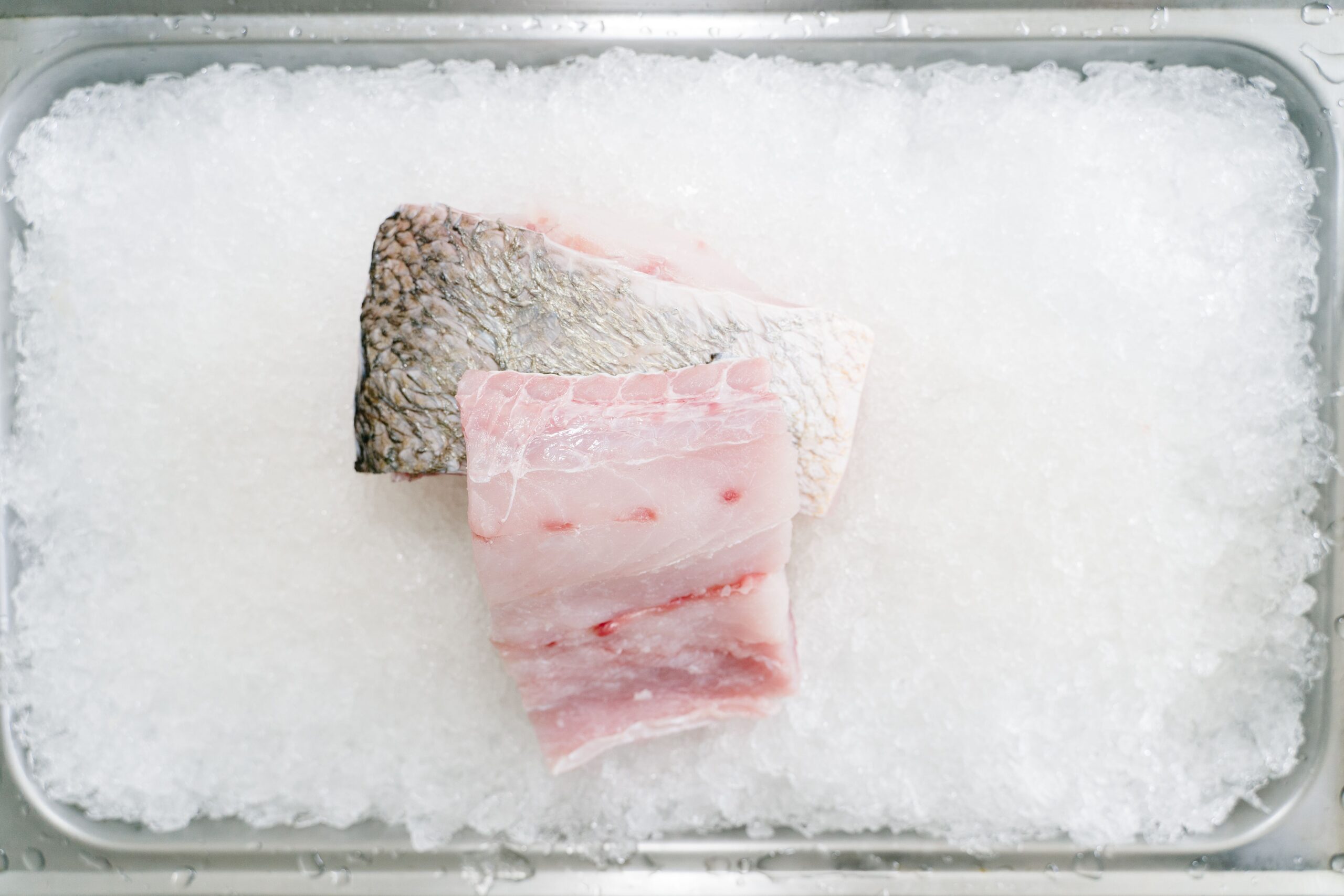
GENERAL COOKING INSTRUCTIONS
Here are some simple, general instructions that work for many types of fish — salmon, flathead, rockling, snapper, trout, and more. Follow these easy steps for a great result every time.
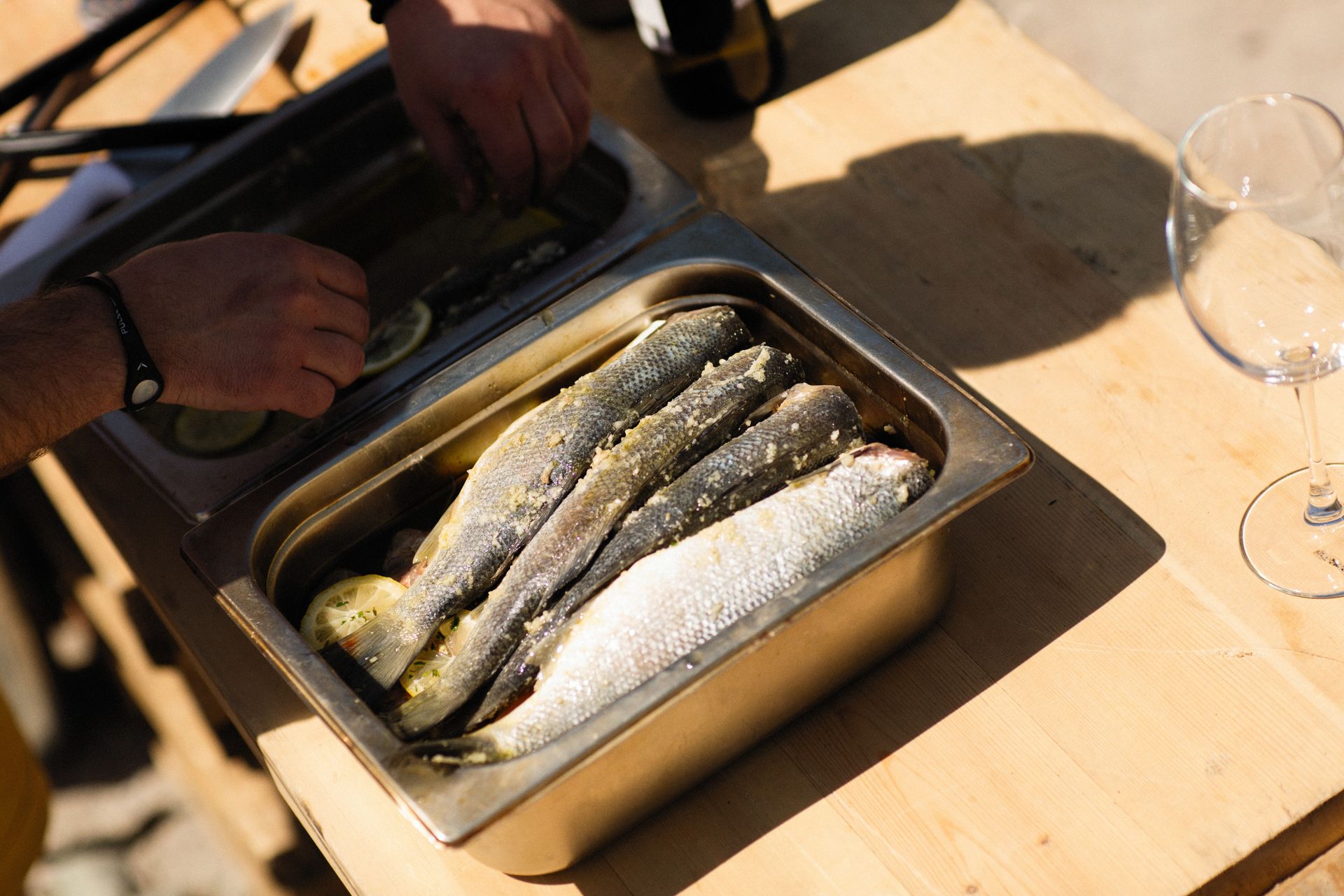
1. Prepare the Fish
- If frozen, thaw completely in the refrigerator.
- Pat the fish dry with paper towels.
- Check for and remove any remaining bones.
- Lightly coat with olive oil or melted butter.
2. Season
A basic seasoning works well for most fish:
- Salt
- Black pepper
- Lemon juice
Optional: garlic, paprika, dill, parsley, or other herbs.
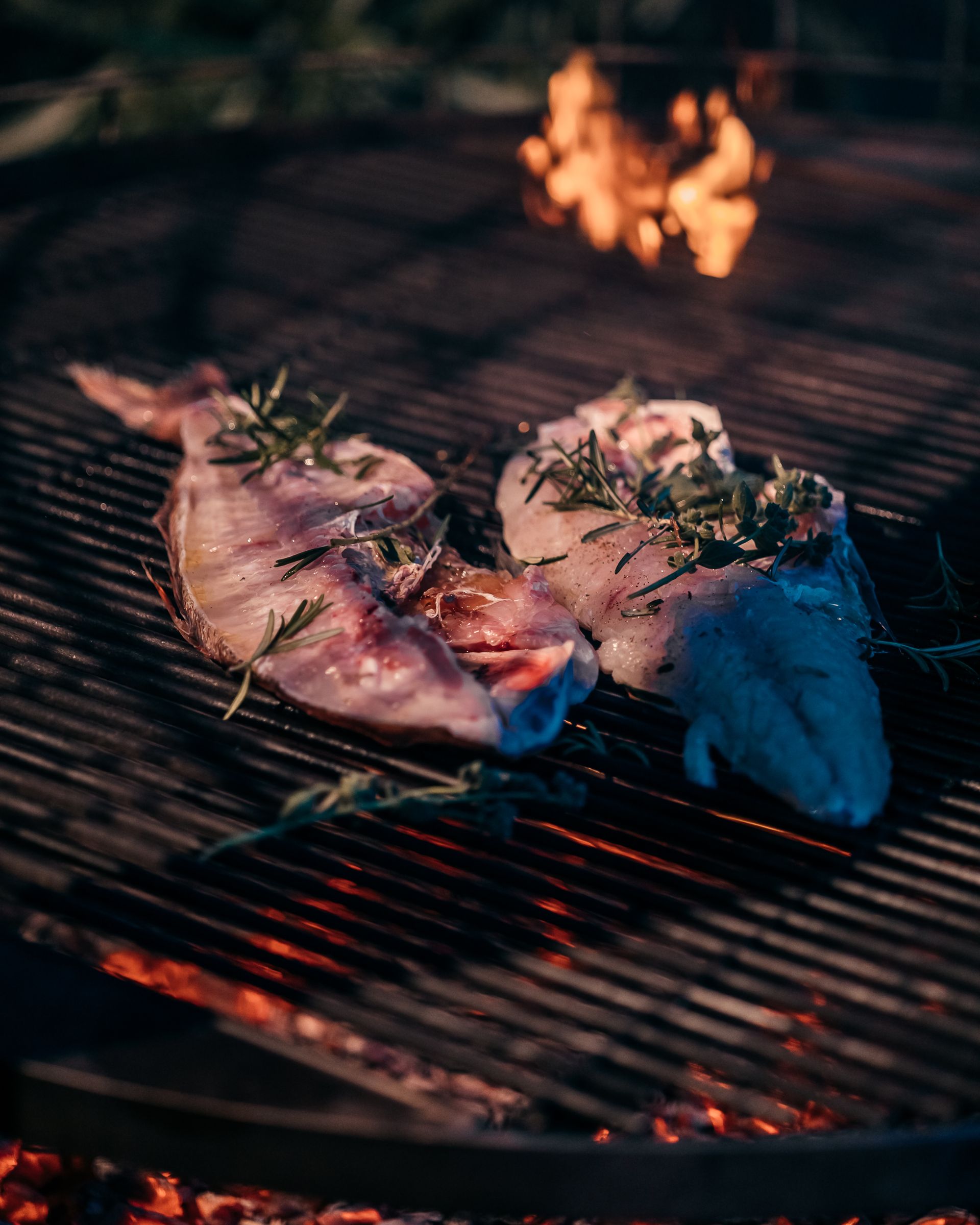
3. Choose a Cooking Method
Pick the method that suits you best — each works well for different types of fish.
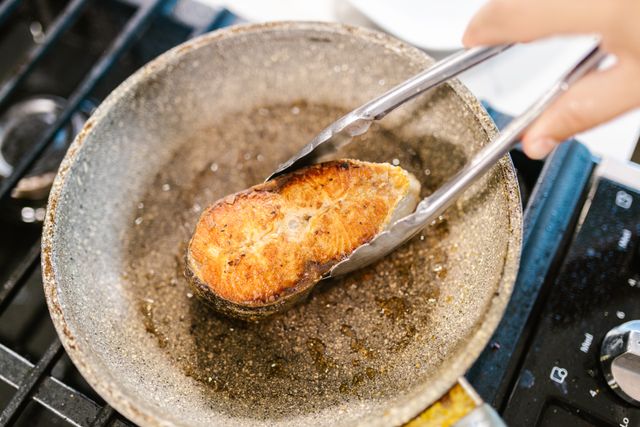
Pan-Frying
- Heat a tablespoon of oil in a skillet over medium-high heat.
- Place the fish in the pan.
- Cook 3–5 minutes per side, depending on thickness.
- Flip only once if possible.
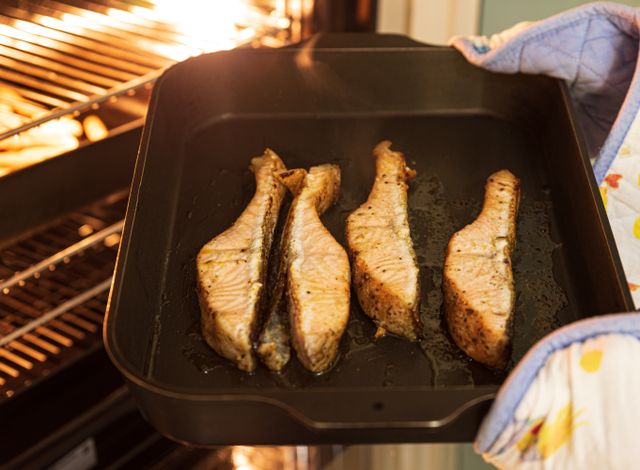
Baking
- Preheat the oven to 200°C (400°F).
- Place the fish on a lined baking tray or in a dish.
- Bake for 10–15 minutes, depending on thickness.
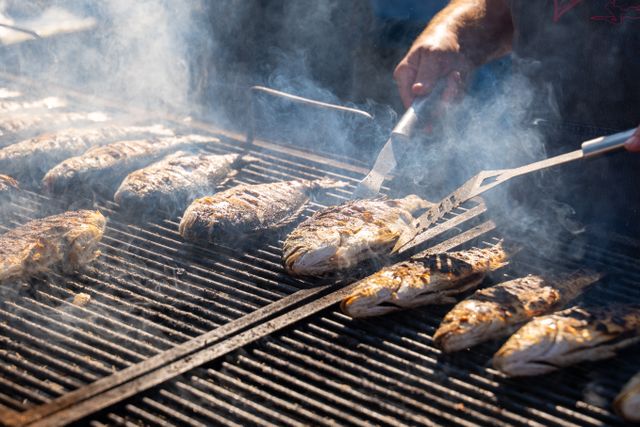
Grilling
- Preheat the grill to medium-high heat.
- Lightly oil the grates or the fish.
- Grill for about 3–5 minutes per side.
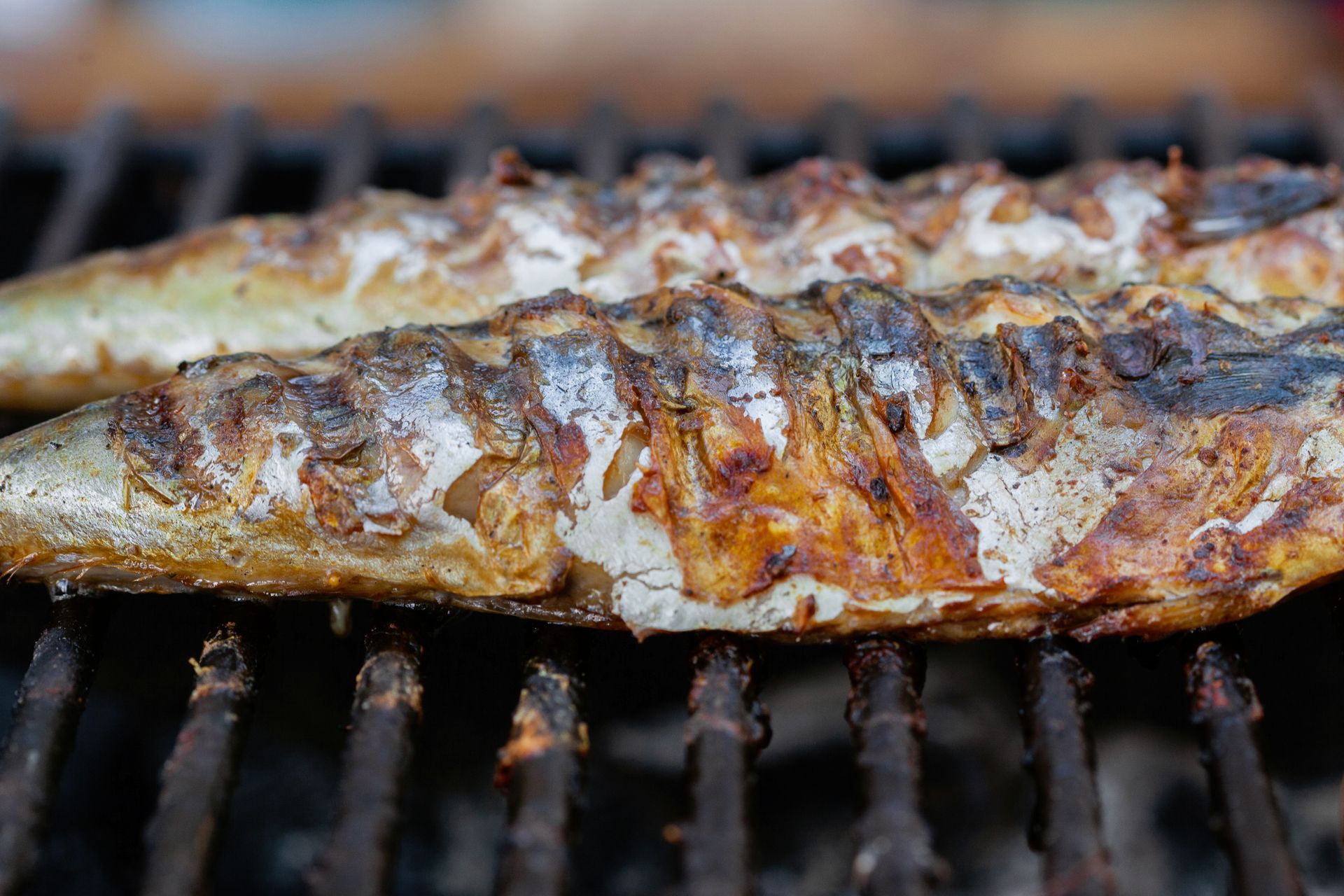
4. Check for Doneness
Fish is generally done when:
- The flesh becomes opaque rather than translucent.
- It flakes easily when gently pressed with a fork.
- The thickest part reaches an internal temperature of 63°C (145°F).
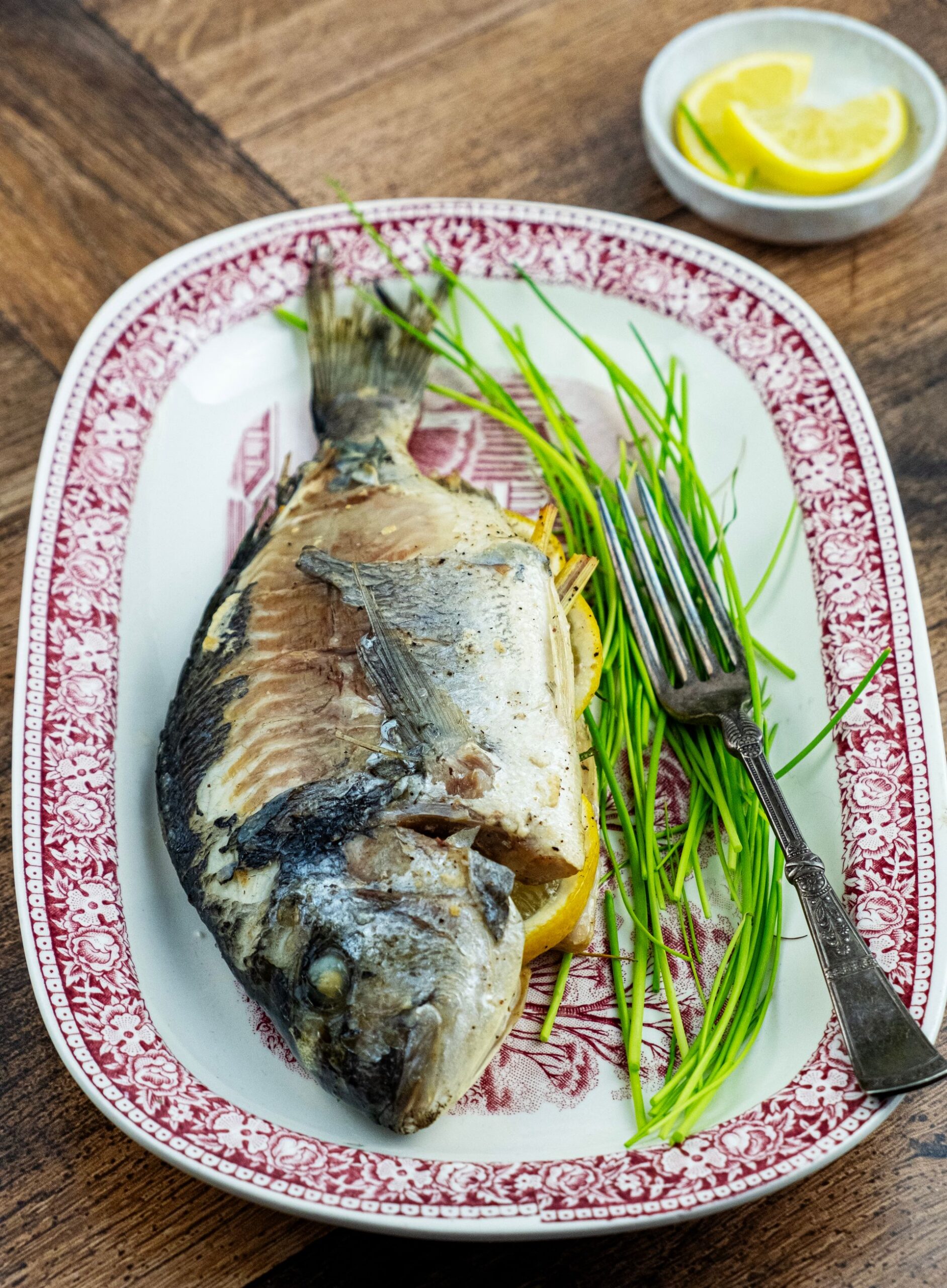
5. Serve
- Let the fish rest for 1–2 minutes.
- Serve with lemon wedges.
- Pair with vegetables, salad, rice, or potatoes.
GENERAL RULE OF THUMB
A common guideline is to cook fish for approximately 10 minutes per 2.5cm (1 inch) of thickness, turning halfway through if appropriate. However, cooking times will vary depending on the type of fish, its thickness, and how you prefer it cooked.
For example, salmon is often enjoyed medium to medium-rare, while delicate fish such as flathead may only need 1–2 minutes of cooking. Some fillets are best cooked almost entirely on the presentation side, then briefly flipped before resting.
Fish can seem like a daunting protein to cook, but keeping it simple is usually the key to success. Follow the KISS principle — Keep It Simple — and it’s surprisingly difficult to get wrong.
If you’re concerned about overcooking or drying out your fish, choose a forgiving variety such as barramundi. Its higher natural oil content helps it stay moist and tender, making it an excellent option for beginners.
As with all cooking, practice builds confidence. Focus on the fish’s appearance and texture rather than the clock alone. When the flesh becomes opaque and flakes easily, it’s usually ready to serve.
For beginners, baking is often the easiest method because it’s forgiving and requires less attention than pan-frying.
Disclaimer: The cooking instructions provided by Clamms Seafood are intended as general guidelines only. Cooking times and methods may vary depending on the type, size, thickness, and condition of the fish, as well as individual preferences and equipment used. Clamms Seafood accepts no responsibility or liability for the outcome of any dish prepared using these instructions. Customers are responsible for ensuring seafood is cooked and handled safely and to their desired level of doneness.
